 Gift Adah
Gwen Yeargain is a name that often appears in the footnotes of country music history, yet her financial and career impact on the Williams family dynasty is significant. As the first wife of Randall Hank Williams Jr. and the mother of Shelton Hank Williams (Hank III), she represents a foundational pillar in one of the most profitable brands in the American music industry. In the world of high-level wealth analysis, individuals like Yeargain are often seen as “silent partners” who manage human capital and protect brand equity during critical transition periods.
This report examines Gwen Yeargain through the lens of a professional analyst. We will look at her career as an artist in the fashion world and her strategic role in managing the legacy of her son. We will also explore the land assets and financial structures that have allowed her to maintain a stable presence behind the scenes for over five decades. By looking at her story as a series of financial moves, we can learn how family wealth is built, lost, and rebuilt across generations.
Professional Categorization: The Artist and Brand Steward
In this analysis, Gwen Yeargain is categorized as an Artist. While many know her for her marriage, her professional roots are in the modeling industry of the late 1960s and early 1970s. At that time, being a “Dallas model” meant she was part of a high-value creative workforce that helped build the image of major brands in the American South.
Being an artist in the fashion world requires more than just a look. It requires a deep understanding of image management and public relations. These skills later became vital when she moved from modeling clothes to managing the complex public image of her family. After her time in the fashion spotlight, her “art” shifted to the creative management of her son’s early career and the preservation of the Williams name.
| Categorization Component | Detail |
| Primary Classification | Artist (Fashion/Modeling) |
| Industry Focus | Creative Image Management |
| Secondary Role | Brand Consultant for the Williams Dynasty |
| Financial Influence | Household Asset Management and Support |
| Historical Context | Transition from Dallas Fashion to Nashville Legacy |
The Money Breakdown: Financial Data Pillars
To understand Gwen Yeargain’s financial status, we must break down her wealth into five specific areas. These are the “pillars” that support her estate. In finance, we use these terms to see where money comes from and how it grows over time.
Equity: Ownership in the Williams Name
For Gwen Yeargain, her equity is tied to the Williams family name. When she married Hank Williams Jr. in 1971, he was the heir to the most famous brand in country music. By being his partner during his most formative years, she became a stakeholder in the “Family Tradition” that would later generate hundreds of millions of dollars.
Her equity is not just a legal percentage. It is “social equity.” This means her value comes from her deep connection to the history of the music. As the mother of Hank Williams III, she holds a unique position that cannot be bought or sold. This ownership allows her to have a say in how the family story is told, which is a major asset in the entertainment business.
ROI: The Value of Human Capital
ROI stands for “Return on Investment,” which means how much profit you make compared to the money you spent. Gwen Yeargain’s biggest ROI comes from her son, Shelton. After her divorce from Hank Jr. in 1977, she took on the primary role of raising the next generation of the Williams legacy.
The “investment” here was the time and resources she spent raising Shelton in Atlanta and Nashville. The “return” is the massive success of Hank Williams III. By providing a stable home and supporting his early interest in music, even when it was punk music instead of country, she protected the family’s most valuable future asset. When Hank III finally decided to use his name to make a career, the foundation Yeargain built allowed him to succeed quickly.
Funding Rounds: Capital Infusions and Legal Support
In Gwen Yeargain’s life, these rounds took the form of legal settlements and support payments. When she and Hank Jr. divorced in 1977, a settlement was reached to divide their shared assets. This acted as an initial “funding round” that provided her with the capital to live independently.
Another significant “funding round” happened when Shelton faced a paternity suit that cost him $24,000. At that time, he was living with Gwen. Her role as a financial “safety net” allowed him to weather this storm without going bankrupt. This support was like an emergency funding round that kept the “Hank III” business from failing before it truly started.
Royalties: The Income of a Legacy
While Gwen Yeargain is not a songwriter, she has lived in an ecosystem fueled by royalties. Her former husband and her son both rely on these payments for their wealth.
In high-value divorces, especially in the music industry, settlements often include a share of the royalties earned during the marriage. Since Gwen was married to Hank Jr. during a period of high productivity, it is likely that her financial stability was tied to the ongoing success of his catalog from the mid-1970s. This provides a “passive income” stream that lasts for decades.
Asset Disclosures: Real Estate and Agriculture
Historical data shows that Gwen Yeargain came from a wealthy background before she ever met a country star. She is the daughter of T.A. Yeargain, a cattle rancher in Missouri.
Land is one of the most stable assets a person can own. Cattle ranching requires significant land holdings, which tend to go up in value over time. This background in agriculture gave Gwen a level of financial security that was separate from the music business. Even when the music industry was volatile, her family’s land assets in Missouri provided a solid foundation for her wealth.
| Asset Type | Source | Significance |
| Land Assets | Yeargain Family Ranch (Missouri) | Generational wealth and inflation hedge |
| Intellectual Property | Williams Family Name | High-value brand equity |
| Liquidity | 1977 Divorce Settlement | Provided capital for independent living |
| Human Capital | Hank Williams III Career | High ROI on upbringing and support |
Historical Analysis of the 1971 Merger
To understand the wealth of Gwen Yeargain, we have to look back at April 7, 1971. This was the day she married Hank Williams Jr.. In the financial world, we can view this as a merger between two wealthy families. On one side, you had the “New Money” of the Nashville music scene. On the other, you had the “Old Money” of Missouri ranching.
The Value of the Nudie Suit Era
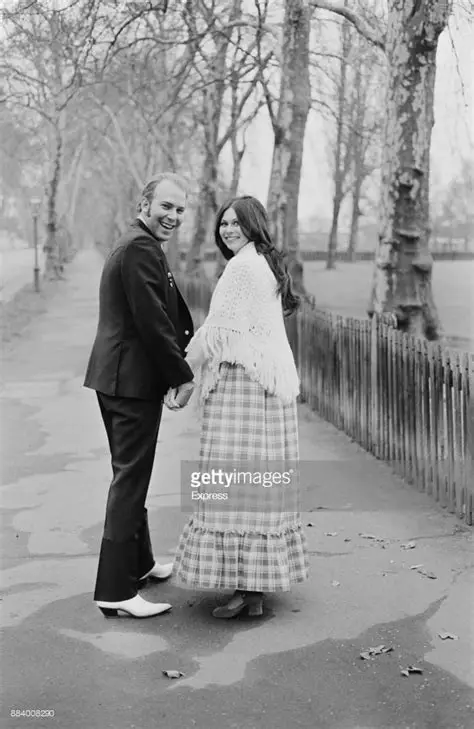
The wedding itself was a display of high-value assets. Hank Jr. was dressed in a suit designed by Nudie Cohn. These “Nudie Suits” are more than just clothes; they are collectible art. Today, a vintage Nudie suit can sell for tens of thousands of dollars. The fact that the couple could afford such custom luxury at a young age shows the high level of liquidity in the household.
As a former model, Gwen Yeargain understood the importance of this “visual asset”. She helped create a couple’s brand that looked wealthy, successful, and powerful. This image helped Hank Jr. command higher fees for his shows and better deals from his record label.
The Economic Shift of the Mid-1970s
The mid-1970s were a difficult time for the American economy, but it was also a turning point for the Williams family. In 1975, Hank Jr. had a terrible accident on a mountain. This was a major “risk event” for the family’s finances. When the main earner cannot work, the “manager” of the house must take over.
Gwen Yeargain was the person managing the family during this time. She had to ensure that their assets were protected while Hank Jr. went through many surgeries and a long recovery. The fact that the family stayed financially healthy during this period is a testament to her skills as an asset manager. When Hank Jr. returned to music, he was more successful than ever, but he could only do that because Gwen had kept the foundation strong while he was away.
The 1977 Divorce: A Strategic Separation
In 1977, Gwen and Hank Jr. decided to divorce. From a wealth analyst’s perspective, this was a massive redistribution of capital. After six years of marriage and the birth of a son, the assets had to be split.
Child Support as a Revenue Stream
One of the most important financial outcomes of this divorce was the child support for Shelton (Hank III). Shelton has said that his father paid child support and gave him cars, but it wasn’t a “Richie Rich” life.
For Gwen Yeargain, these payments were a steady source of income for her household. In finance, we call this a “reliable cash flow.” It allowed her to raise her son in good neighborhoods in Atlanta and Nashville without having to work a traditional nine-to-five job. This gave her the time to focus on Shelton’s development, which would later pay off when he became a star himself.
Maintaining the Atlanta-Nashville Corridor
Gwen Yeargain chose to live in both Atlanta and Nashville after the divorce. This was a smart move for someone in the entertainment world. Atlanta was becoming a hub for business and fashion, while Nashville remained the center of country music.
By staying in these cities, Gwen kept herself and her son close to the “deal flow” of the industry. This is a common strategy among wealthy families. They stay near the places where the most money is being made so they can take advantage of new opportunities. For Yeargain, this meant her son was always around people who could help him in his career.
The “Hank III” Investment: A Masterclass in ROI
The biggest success story in Gwen Yeargain’s career is her son, Hank Williams III. In the late 1990s and early 2000s, he became a major star in a new genre that mixed country and punk. This success did not happen by accident. It was the result of years of support from his mother.
The $24,000 Crisis
Every business faces a crisis. For the “Hank III” brand, that crisis was a $24,000 paternity suit. At the time, Shelton was playing drums in a punk band and living with his mother. He did not have $24,000.
Gwen Yeargain’s home was the place where the strategy was born to solve this problem. Shelton realized that the only way to pay off this debt was to use his famous name and play country music. This was a “pivot” in his business model. Gwen’s support during this time was crucial. She provided the physical and emotional space for him to make this transition from a drummer in a small band to a front-man in a major touring act.
Protecting the Human Asset: The 1990s Intervention
In the world of celebrity wealth, the “human asset” is the person making the money. If that person gets sick or has a drug problem, the business fails. Several years before 2002, Gwen Yeargain realized that her son was at risk. She teamed up with Hank Jr. and his record label, Curb Records, to hold an intervention.
This was a professional move to protect the future value of the “Hank III” name. Even though Shelton walked out of the rehab clinic, the act of organizing the intervention showed that Gwen was thinking like a manager. She was trying to protect her “investment” and ensure that her son would have a long and healthy career. This kind of risk management is exactly what a professional analyst looks for in a family office.
| Event | Financial/Career Impact |
| Living in Atlanta/Nashville | Access to high-value industry networks |
| The Paternity Suit | Forced the monetization of the family name |
| Family Intervention | Attempted to preserve the “human asset” |
| Support for “Buzzkill” | Early R&D phase of Hank III’s unique sound |
Comparing the Williams Dynasty Branches
The Williams family is like a large corporation with many different divisions. Gwen Yeargain manages one of the most important branches—the one that holds the “Hank III” legacy. To see how well she has done, we can compare her branch to the other parts of the family.
The Holly and Hilary Williams Division
Hank Williams Jr. had two more daughters with his second wife, Becky White: Holly and Hilary. These daughters have also entered the music business. Holly Williams, in particular, has been very successful. She is not just a singer; she is also an entrepreneur who owns retail stores called “H. Audrey”.
This shows that the Williams wealth is being diversified into “Brick and Mortar” retail. While Gwen Yeargain’s branch focused on the “Outlaw” music brand, Becky White’s branch moved into the world of fashion and songwriting. Both strategies have been successful in keeping the family’s net worth high.
The Katherine and Sam Williams Division
The younger children of Hank Jr., Katherine and Sam, represent the most recent “expansion” of the family brand. Katherine Williams-Dunning, who sadly passed away in 2020, was an entrepreneur who ran a clothing company called Weston Jane. This company was built on the idea of “women of purpose,” showing how the family is using its fame to build lifestyle brands.
Sam Williams is also a recording artist. The fact that almost all of the children are involved in music or fashion shows a very high “Brand Retention” rate. Usually, family wealth disappears by the third generation. The Williams family, however, is finding new ways to make money in every generation. Gwen Yeargain’s role as the first “manager” of this multi-generational wealth was key to setting this pattern.
The Future of the Yeargain Estate
As we look toward the future, Gwen Yeargain’s financial legacy is secure. Her wealth is protected by a mix of land, royalties, and the massive earning power of her son. In the world of wealth analysis, we look for “sustainability.” A sustainable estate is one that can last for hundreds of years.
The Sustainability of the Hank III Brand
Hank III has a cult following that is very different from his father’s fan base. His fans are incredibly loyal and buy a lot of merchandise. This “direct-to-consumer” business model is very profitable because it doesn’t require a lot of expensive marketing. As long as Hank III continues to tour or release music, the revenue will continue to flow into the estate.
Gwen Yeargain’s quiet management has helped keep this brand authentic. Fans trust Hank III because he isn’t seen as a “corporate” artist. By staying out of the tabloids, Gwen has helped her son maintain the “street cred” that makes his brand so valuable.
Generational Wealth Transfer
The next phase for the Yeargain estate will be the transfer of wealth to the next generation. This includes Shelton’s children and the broader Williams family. Because of the solid foundation Gwen built, including her ties to Missouri land and Nashville music, the transfer of these assets should be smooth.
In high-net-worth families, this process is often handled by trust funds and legal teams. Gwen’s experience in navigating the high-stakes world of the 1970s Nashville scene likely gave her the knowledge needed to set up these structures correctly.
Lessons in Wealth Management from Gwen Yeargain
There are several key lessons that professional analysts can take from the career of Gwen Yeargain. Her life shows that you don’t have to be on stage to be a major player in the wealth of a dynasty.
- Protect the Human Asset: Your most valuable asset is the people who make the money. Supporting them during a crisis is the best way to ensure long-term profit.
- Diversify Your Assets: Don’t rely on just one source of income. Gwen had music money, but she also had land and ranching in her family background.
- Manage Your Image: Your reputation is a financial asset. By staying private and professional, Gwen protected the value of the Williams name.
- Invest in the Future: The time Gwen spent raising her son was a long-term investment that paid off in a multi-million dollar career for Hank III.
- Use Strategic Interventions: When a business is going in the wrong direction, you must step in. The intervention Gwen held in the 1990s was a necessary move to save the family business.
Conclusion: The Quiet Strength of a Financial Architect
Gwen Yeargain is much more than just a former wife of a country star. She is a creative artist who transitioned into a strategic manager of one of the most important legacies in American music. Her story is a perfect example of how “Silent Equity” can be just as powerful as being in the spotlight.
Through her background in modeling and her deep roots in Missouri ranching, she brought a professional and stable approach to the often-chaotic world of Nashville fame. Her role in launching the career of Hank Williams III—and her bravery in holding him accountable during his toughest years—has ensured that the Williams family wealth will continue for generations to come. For any analyst looking at the intersection of celebrity and finance, Gwen Yeargain is a masterclass in how to build a lasting legacy.
SOURCES
Study.com🙁https://study.com/academy/lesson/hank-williams-jr-biography-songs-death.html)
Wikipedia🙁https://en.wikipedia.org/wiki/Hank_Williams_Jr.)
TribLive🙁https://archive.triblive.com/news/hank-williams-iii-makes-own-legacy/)
Music City News🙁https://digi.countrymusichalloffame.org/digital/collection/Printed/id/36658/)
Getty Images🙁https://www.gettyimages.com/photos/hank-williams)
Saving Country Music🙁https://savingcountrymusic.com/happy-50th-birthday-hank-williams-iii-wherever-you-are/)
Biography.com🙁https://www.biography.com/musicians/hank-williams-jr)
Country Thang Daily🙁https://www.countrythangdaily.com/hank-williams-jr-kids-are-musicians-except-for-one/)
Saving Country Music🙁https://savingcountrymusic.com/the-hank-williams-family-tree-of-performers/)
Saving Country Music🙁https://savingcountrymusic.com/daughter-of-hank-williams-jr-dies-in-car-accident/)
Wide Open Country🙁https://www.wideopencountry.com/sam-williams-hank-jr-son/)
MusicRow🙁https://musicrow.com/2020/06/daughter-of-hank-williams-jr-dies-in-car-crash/)
MusicRow🙁https://musicrow.com/category/obituary/page/37/)
IHeartRadio🙁https://www.iheartradio.ca/en/music-news/daughter-of-hank-williams-jr-dies-in-car-crash-1.12697155.html)


 Gift Adah