 Gift Adah
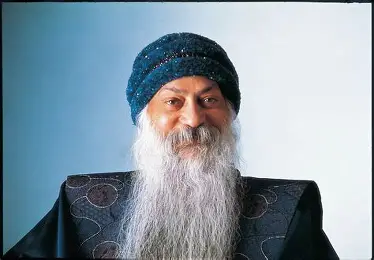
If you’ve been searching for the Osho’s birthplace, you’re looking to understand the origins of one of the most influential and controversial spiritual figures of the 20th century, Osho (formerly Bhagwan Shree Rajneesh).
While he eventually built massive global communes, Osho’s journey began in a tiny, quiet village in central India. In this 2026 guide, we break down exactly where he was born, his early family life, and how this specific environment planted the seeds for his revolutionary teachings on meditation and freedom.
Osho’s Birthplace(Quick Answer)
Osho was born in the heart of central India:
Kuchwada, Madhya Pradesh, India
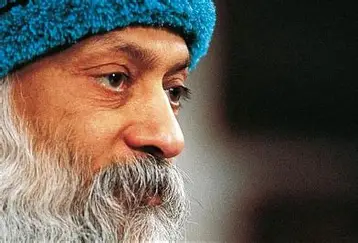
- Date of Birth: December 11, 1931
- Birth Name: Chandra Mohan Jain
- Exact Location: A small house in the Raisen District (now a site of pilgrimage for followers).
Where is Kuchwada?
Kuchwada is a rural village in the state of Madhya Pradesh. In 1931, it was a world away from the bustling cities where Osho would later teach.
- Natural Simplicity: The village was surrounded by forests and rivers, fostering Osho’s early connection to nature.
- Cultural Roots: Deeply embedded in traditional Jain culture, though Osho would later challenge almost all religious orthodoxies.
- Current Status (2026): Today, the “Osho’s Birthplace” (Osho House) is a functional memorial and meditation center. Travelers can visit the original house where he was born, which has been preserved by the Osho community.
Osho’s Early Life: The Influence of His Grandparents
Osho did not grow up with his parents. For the first seven years of his life, he lived with his maternal grandparents in Kuchwada. This “unstructured” childhood is the foundation of his philosophy.
Why His Upbringing Was Different:
- Total Freedom: His grandmother famously gave him complete freedom, refusing to impose education or religious restrictions on him.
- Solitude and Nature: He spent his early years as a “loner,” exploring the woods and the nearby river, which he later cited as his first experience of meditation.
- The First Encounter with Death: At age seven, his grandfather died in his lap while they were traveling in a bullock cart. Osho later stated that this event sparked his lifelong obsession with understanding death and silence.
How Kuchwada Influenced Osho’s Philosophy
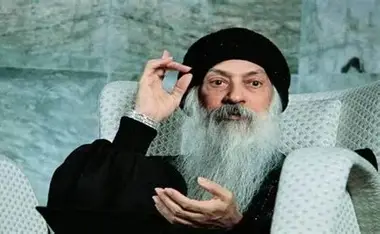
Osho’s teachings on “The Psychology of the Buddhas” often lead back to his childhood in Kuchwada.
| Influence | Philosophical Result |
| No Imposed Religion | Teachings on “No-Religion” and individual truth. |
| Village Solitude | Development of “Dynamic Meditation” and inner silence. |
| Grandmother’s Love | Emphasis on unconditional acceptance and freedom. |
| Rural Poverty | A focus on “Zorba the Buddha”—living richly both internally and externally |
Osho Biography: Quick Facts
| Detail | Information |
| Full Name | Chandra Mohan Jain |
| Titles | Acharya Rajneesh, Bhagwan Shree Rajneesh, Osho |
| Education | M.A. in Philosophy (University of Saugar) |
| Enlightenment | March 21, 1953 (Jabalpur, India) |
| Famous Work | Over 600 books (transcribed from discourses) |
| Death Date | January 19, 1990 (Pune, India) |
Osho’s “Seven-Year Cycle” of Death
One of the most fascinating aspects of Osho’s time in Kuchwada was his early obsession with death. According to Osho, an astrologer predicted he would die every seven years.
- Age 7: His maternal grandfather (Nana) died in his arms while traveling in a bullock cart from Kuchwada. Osho later described this as his first true satori (glimpse of truth), as he realized that the body is merely a vessel.
- Age 14: In 2026, many biographers point to his “experiment with death” at age 14, where he spent seven days in a ruined temple waiting to die, only to emerge with a profound sense of fearlessness.
This early exposure to mortality in a rural setting is why Osho’s later teachings focused so heavily on the “Art of Dying” as much as the “Art of Living.”
The Osho Vision for “True Education”
Osho’s birthplace is the cornerstone of his critique of modern schooling. Because he grew up without a formal classroom until age seven, he believed that the first seven years of a child’s life should be dedicated to meditation and play, not memorization.
His Kuchwada-inspired education model includes:
- The Art of Being: Children should learn to simply be before they are asked to become someone (a doctor, an engineer, etc.).
- Rebellion as Intelligence: He credited his grandparents’ lack of interference for his “rebellion,” which he viewed as the highest form of intelligence.
- Fearlessness: Growing up in the wild landscapes of Madhya Pradesh taught him that nature is the best teacher of courage.
Kuchwada in 2026: A Global Pilgrimage Site
Today, Kuchwada has transformed from an obscure village into a “Buddhafield” for seekers. As of 2026, the Osho Tirth Trust has expanded the facilities to include:
- The Birth House: The original age-worn house has been meticulously restored with marble floors and quiet meditation halls.
- Osho Tirth Commune: A 15-acre campus that hosts thousands of “sannyasins” (followers) every December for Osho’s birthday celebration.
- Digital Connectivity: Even in rural Madhya Pradesh, the 2026 “Smart Village” initiative has brought high-speed fiber to the commune, allowing for live-streamed global meditations directly from the room where Osho was born.
Sources & Fact-Check
- Birth Details: Confirmed via the Encyclopedia Britannica (Updated March 2026).
- Kuchwada Site Status: Current travel and visiting hours for the Osho Birth Place are managed through local Madhya Pradesh tourism and Trip.com (2026 data).
- Biographical Timeline: Early childhood details cross-referenced with Osho’s own accounts in Glimpses of a Golden Childhood.
Live 2026 News Update
Current Status: The Kuchwada memorial continues to host “Meditation Camps” for international visitors.
As of April 14, 2026, the Osho International Meditation Resort in Pune remains the primary hub for followers, but the birthplace in Kuchwada has seen a 15% increase in “spiritual tourism” this year. Travelers are increasingly seeking the “original silence” of his birthplace as a contrast to the high-tech meditation retreats in cities like Goa and Delhi.

 Gift Adah