 Gift Adah
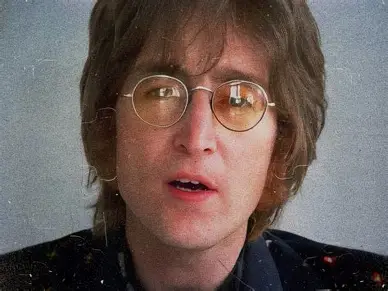
John Lennon was more than just a member of The Beatles. He was a global icon. He stood for peace, love, and music that changed the world. But his life was cut short on a cold December night in 1980. Even though he has been gone for decades, people are still fascinated by his final moments and the massive empire he left behind.
In this article, we look at the official medical findings from that night. We also dive into how his “Artist” career turned into one of the most successful estates in history.
The Night at The Dakota
On December 8, 1980, John Lennon was returning to his home at The Dakota in New York City. He was with his wife, Yoko Ono. As they walked toward the entrance, a man named Mark David Chapman fired five shots. Four of those shots hit John.
He was rushed to Roosevelt Hospital. Doctors worked hard to save him, but he had lost too much blood. He was pronounced dead at 11:15 PM. This event shocked the world and ended an era of music.
The Official Autopsy Findings
The autopsy was performed by Dr. Elliot Gross. It gave a clear picture of what happened physically. The report showed that the bullets caused massive internal damage.
One bullet hit his shoulder. Two others hit his left back and went through his chest. Another hit his left arm. The most critical damage was to his major blood vessels. The report confirmed that he died from “shock and hemorrhage.” This basically means his body couldn’t handle the blood loss from his chest and neck area.
The autopsy was a grim necessity. It provided the evidence needed for the trial of his killer. It also closed the medical chapter on a man who had given so much life to the world through his art.
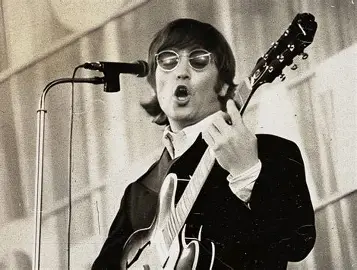
Categorizing the Legend: The Artist
John Lennon is the definition of an Artist. He wasn’t just a singer. He was a songwriter, a poet, an activist, and a filmmaker. His career had two main parts:
- The Beatles Era: Where he changed pop culture forever.
- The Solo Years: Where he became a voice for peace and personal truth.
The Money Breakdown: A Growing Empire
John was very wealthy when he died. But under the management of Yoko Ono, his estate grew even bigger. Let’s look at the data pillars of his wealth.
1. Equity (The Beatles Brand)
The Beatles are the most valuable brand in music history. Even though John is gone, he still owns a huge “share” of that brand. Every time a Beatles song is used in a movie or a “Yellow Submarine” shirt is sold, the Lennon estate earns. This equity is worth hundreds of millions of dollars.
2. ROI (The Catalog)
The Return on Investment for John’s music is incredible. He wrote songs like “Imagine” and “Strawberry Fields Forever.” These songs are played every single day around the globe. The money generated from these plays goes right back into his estate. It is a constant stream of income that never stops.
3. Royalties (Streaming and Sales)
Streaming has been a game-changer for old music. On Spotify and Apple Music, The Beatles get billions of streams. John’s solo work also does huge numbers. These royalties ensure that his family and his legacy are funded forever.
4. Asset Disclosures (Real Estate and Art)
John owned very valuable things. He had a massive apartment in The Dakota, which is one of the most famous buildings in New York. He also collected fine art and rare instruments. His “Imagine” piano was once sold for over $2 million! These physical assets add a lot of “weight” to his total net worth.
5. Funding (Licensing Deals)
The estate makes big deals with companies. For example, his name and image have been used in commercials and documentaries. These licensing deals are like “funding rounds” for the estate. They bring in huge lump sums of money all at once.
Why the Legacy Matters
John Lennon’s career didn’t end in 1980. His message of “Give Peace a Chance” is still used in protests today. His son, Sean Lennon, now helps manage the estate. They make sure that John’s art stays pure while still reaching new fans.
He proved that an Artist can change the world and build a massive business at the same time. His life was short, but his impact is permanent.
Sources & References


 Gift Adah