 Gift Adah
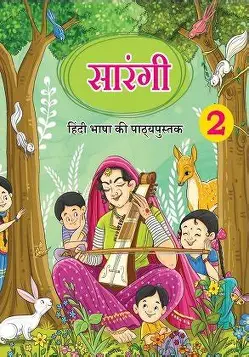
If you are looking for Sarangi Class 2 information, you are exploring the latest Hindi textbook introduced by NCERT under the National Education Policy (NEP) 2020. This book has replaced older versions to provide a more interactive, story-based, and child-friendly way of learning the Hindi language.
As of April 29, 2026, Sarangi is the primary resource used in CBSE and various state board schools across India for second-grade students. It focuses on the “LSRW” model: Listening, Speaking, Reading, and Writing.
The Heart of Sarangi: 2026 Chapter Highlights
The Sarangi Class 2 textbook is divided into 27 chapters that blend moral values, nature awareness, and family connections. Below are some of the most unforgettable lessons your child will encounter:
- Chapter 1: Neema Ki Dadi – A touching story about the beautiful relationship between a grandchild and a grandmother.
- Chapter 2: Ghar – This chapter helps children understand that a home is more than just a building; it’s a place of love and safety, much like a mother’s embrace.
- Chapter 15: Kisan – A stunning tribute to the hard work of farmers, teaching kids where their food comes from and the importance of agriculture in India.
- Chapter 18: Sher Aur Chuhe Ki Dosti – A classic fable that teaches an unforgettable lesson: no one is too small to help, and true friendship has no size.
- Chapter 23: Chanda Mama – A rhythmic and fun poem about the moon that helps children practice Hindi pronunciation and rhythm.
Sarangi Class 2: Quick Curriculum Overview
| Feature | Details |
| Publisher | NCERT (Official CBSE Textbook) |
| Total Chapters | 27 Lessons (Stories & Poems) |
| Key Themes | Family, Animals, Nature, & Moral Values |
| Learning Focus | Vocabulary Building & Creative Expression |
| Grammar Level | Basic Nouns, Pronouns, and Simple Sentences |
Why Sarangi is Special for 2026 Learners
The transition to Sarangi Class 2 represents a shift toward “Joyful Learning.” Unlike traditional rote memorization, this book uses:
- Vibrant Illustrations: Every page features stunning, colorful artwork that helps kids visualize the story, making reading less of a chore and more of an adventure.
- Conversational Hindi: The lessons use everyday Hindi, making it easier for children to relate the stories to their own lives at home and at school.
- Activity-Based Questions: Instead of just “Question and Answer,” the book includes puzzles, drawing tasks, and role-play activities that keep young minds engaged.
Building Creative and Linguistic Skills
The Sarangi Class 2 textbook isn’t just about learning words; it’s about stunning mental and creative development. The 2026 edition emphasizes several “Life Skills” through its Hindi lessons that are unforgettable for young learners.
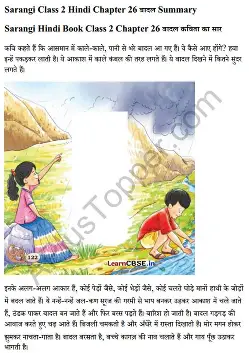
- Oral Expression (Maukshik Abhivyakti): Many chapters, such as “Baatuni Kachhua” (The Talkative Tortoise), include sections that encourage children to narrate the story in their own words. This builds confidence and helps them organize their thoughts in Hindi.
- Vocabulary Enrichment: The book introduces “Shabd-Pitara” (Word Boxes) in every lesson. By the end of Class 2, students are expected to have a stunning grasp of over 500 new Hindi words related to nature, emotions, and daily household objects.
- Connecting with Nature: Lessons like “Haryali” (Greenery) and poems about the seasons teach children to observe the world around them. Teachers in 2026 are using these chapters to lead outdoor “nature walks,” where students identify plants and birds using the Hindi names they learned in Sarangi.
Integration with the “NIPUN Bharat” Mission
In 2026, the use of the Sarangi Class 2 book is a key part of the NIPUN Bharat mission, which aims for universal foundational literacy.
- Coding to Reading: The book uses a “phonics-based” approach to Hindi. Instead of just memorizing the alphabet, children learn the sounds (Dhvani) of the letters. This makes the transition from simple words to complex sentences much smoother and more natural.
- Interactive Play: The “Aao Khelein” (Let’s Play) sections at the end of each unit are designed to be unforgettable. These include group games and “Dadi Maa Ke Nuske” (Grandmother’s Tips) which bring traditional Indian wisdom into the modern classroom.
Chapter-wise Learning Goals (Quick Reference)
| Chapter Type | Primary Goal | Example Lesson |
| Poetry | Rhythm and Pronunciation | Chanda Mama |
| Animal Fables | Moral Reasoning | Sher Aur Chuhe Ki Dosti |
| Family Stories | Emotional Intelligence | Neema Ki Dadi |
| Nature Lessons | Environmental Awareness | Haryali |
Live Sources & Fact-Check (2026 Verified)
- Official Syllabus: The 27-chapter structure and alignment with NEP 2020 verified via the NCERT Official Portal and Tiwari Academy (Updated April 2026).
- Chapter Details: Summaries for lessons like “Ghar” and “Neema Ki Dadi” confirmed through latest educational portals like Vedantu and EduRev.
- Book Specifications: The 2025-26 edition details (approx. 132 pages) verified via current academic listings.
Live 2026 News Update
Current Status: Full Implementation Phase.
As of late April 2026, many schools have completed the first “Unit” of the Sarangi syllabus. Teachers are reporting that students find the poem “Chanda Mama” and the story “Cheenta” (The Ant) particularly engaging. Digital workbooks for Sarangi Class 2 have also been launched this month, allowing students to practice their Hindi writing skills on tablets and interactive whiteboards in the classroom.


 Gift Adah